An Elephant Hunt That Fed a Village
The Dangerous Elephant Hunt
Conservation, Responsibility, and Community in Zimbabwe
In 2005, Zimbabwe was facing one of the most severe droughts in recent memory. Food shortages affected millions throughout Southern Africa, and many rural communities struggled to obtain reliable sources of food and clean water.
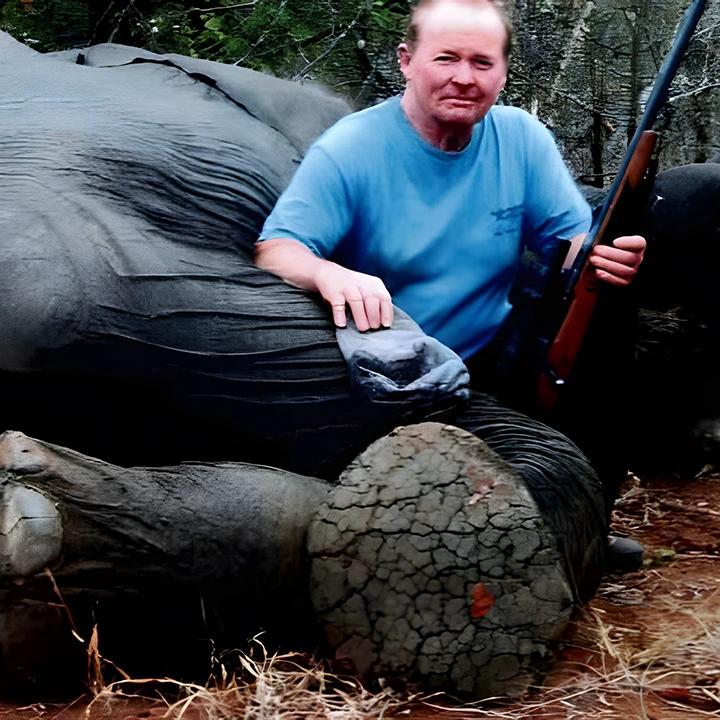
During that time, a bull elephant in southeastern Zimbabwe had become a serious threat to a local village. The animal was known for damaging homes, destroying property, and had reportedly been responsible for the death of a local resident. Wildlife officials and community leaders identified the elephant as a problem animal requiring removal.
For Mike Walker, the hunt represented far more than pursuing one of Africa's most iconic animals. It was an opportunity to participate in a conservation effort that would protect a community while providing a significant source of food for local families.
During that time, a bull elephant in southeastern Zimbabwe had become a serious threat to a local village. The animal was known for damaging homes, destroying property, and had reportedly been responsible for the death of a local resident. Wildlife officials and community leaders identified the elephant as a problem animal requiring removal.
For Mike Walker, the hunt represented far more than pursuing one of Africa's most iconic animals. It was an opportunity to participate in a conservation effort that would protect a community while providing a significant source of food for local families.
Into the Gonarezhou Region
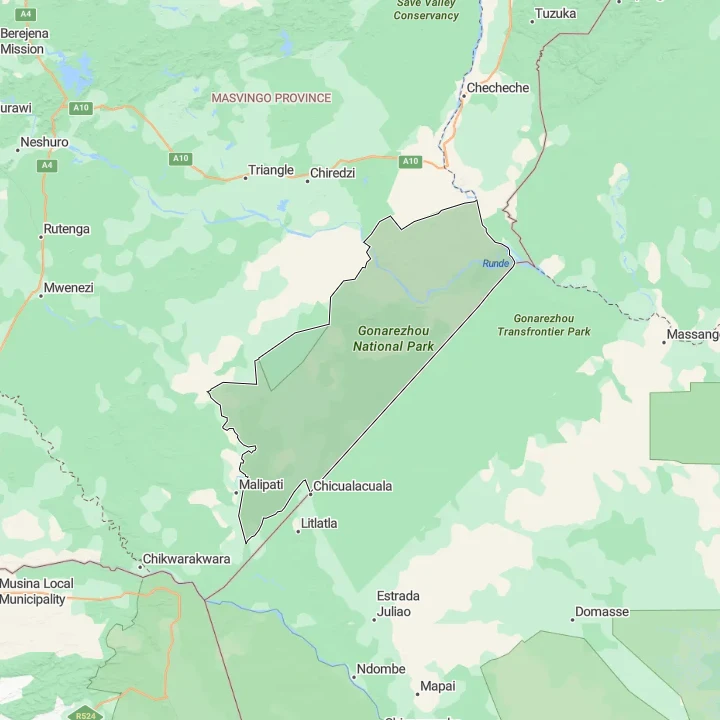
After arriving in Zimbabwe and traveling by road into the remote Gonarezhou region—known as the "Place of Many Elephants"—Mike met with local trackers who had been following the elephant's movements.
Before sunrise, the team began tracking the bull through the bush. Hours later, the trackers located the animal near a water source and carefully positioned the hunting party for a safe and ethical shot.
At close range, Mike made a single, well-placed shot with his .458 Winchester. The elephant traveled only a short distance before collapsing.
"It was a moment I will never forget," Mike recalls. "The ground seemed to shake beneath us. There was an overwhelming sense of respect for the animal and gratitude for the opportunity to help the people who depended on this resource."
Before sunrise, the team began tracking the bull through the bush. Hours later, the trackers located the animal near a water source and carefully positioned the hunting party for a safe and ethical shot.
At close range, Mike made a single, well-placed shot with his .458 Winchester. The elephant traveled only a short distance before collapsing.
"It was a moment I will never forget," Mike recalls. "The ground seemed to shake beneath us. There was an overwhelming sense of respect for the animal and gratitude for the opportunity to help the people who depended on this resource."
Feeding the Community
The true significance of the hunt became evident immediately afterward.
The elephant provided thousands of pounds of meat, which was distributed throughout the surrounding villages. Local families, workers, and community members gathered to process and share the meat.
According to estimates from local guides, the elephant provided food for approximately 170 people.
For many hunting critics, this is an aspect of conservation hunting that is rarely discussed. In many rural African communities, regulated hunting programs contribute directly to local economies, wildlife management efforts, and food security.
The elephant provided thousands of pounds of meat, which was distributed throughout the surrounding villages. Local families, workers, and community members gathered to process and share the meat.
According to estimates from local guides, the elephant provided food for approximately 170 people.
For many hunting critics, this is an aspect of conservation hunting that is rarely discussed. In many rural African communities, regulated hunting programs contribute directly to local economies, wildlife management efforts, and food security.
170+
People Fed
Community Distribution
Information about meat distribution to local families and villages will be added here.
A Hunter's Reflection
For Mike, the experience was not defined by the trophy itself. Instead, it was the realization that responsible hunting can serve a greater purpose—supporting conservation, protecting communities, and providing food where it is needed most.
The hunt reinforced lessons he had learned throughout a lifetime outdoors: respect for wildlife, appreciation for local cultures, and the importance of ethical stewardship of natural resources.
The hunt reinforced lessons he had learned throughout a lifetime outdoors: respect for wildlife, appreciation for local cultures, and the importance of ethical stewardship of natural resources.
A Hunter's Reflection
For Mike, the experience was not defined by the trophy itself. Instead, it was the realization that responsible hunting can serve a greater purpose—supporting conservation, protecting communities, and providing food where it is needed most.
The hunt reinforced lessons he had learned throughout a lifetime outdoors: respect for wildlife, appreciation for local cultures, and the importance of ethical stewardship of natural resources.
The hunt reinforced lessons he had learned throughout a lifetime outdoors: respect for wildlife, appreciation for local cultures, and the importance of ethical stewardship of natural resources.
Conservation Note
At the time of this hunt, elephant management in Zimbabwe operated under a regulated quota system administered by wildlife authorities and overseen through international conservation agreements. In areas where elephants caused significant conflict with local communities, authorized hunts could provide both wildlife management benefits and food resources for nearby villages. Revenue generated through these programs also supported conservation efforts and community development projects.
Preserving Wildlife Through Conservation
At Passion of Hunting, we believe conservation and hunting are inseparable. Ethical hunting, when properly managed, can support wildlife populations, fund habitat protection, and provide meaningful benefits to local communities.
This hunt remains one of the most memorable examples of how conservation, responsibility, and community can come together in the field.
Every hunt tells a story. The best ones leave a positive impact long after the adventure ends.
This hunt remains one of the most memorable examples of how conservation, responsibility, and community can come together in the field.
Every hunt tells a story. The best ones leave a positive impact long after the adventure ends.
Start Your Outdoor Adventure With The Passion For Hunting
Explore ethical hunting trips, outdoor classes, family safari adventures, and conservation-focused experiences designed to create lasting memories.